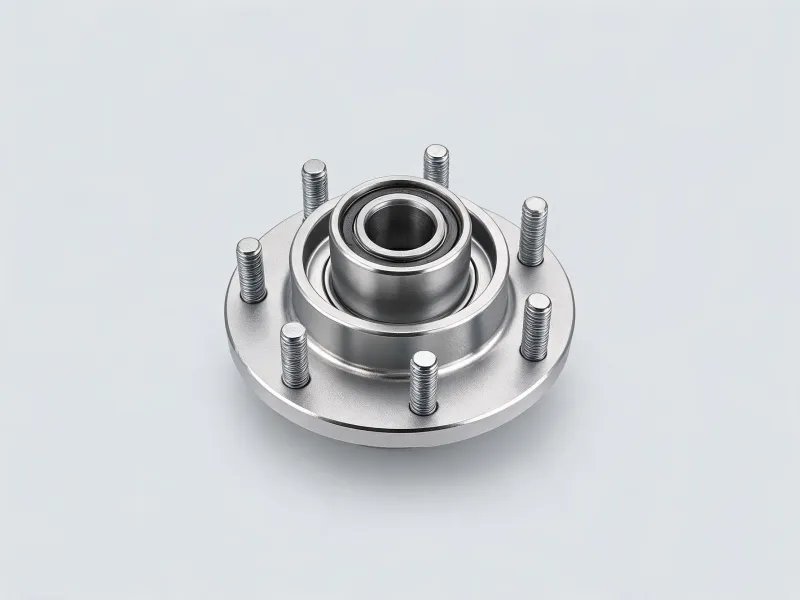
Front wheel hub assembly
Check the steering knuckle interface and axle position.
OE reference · pilot diameter
Browse assembly requests →
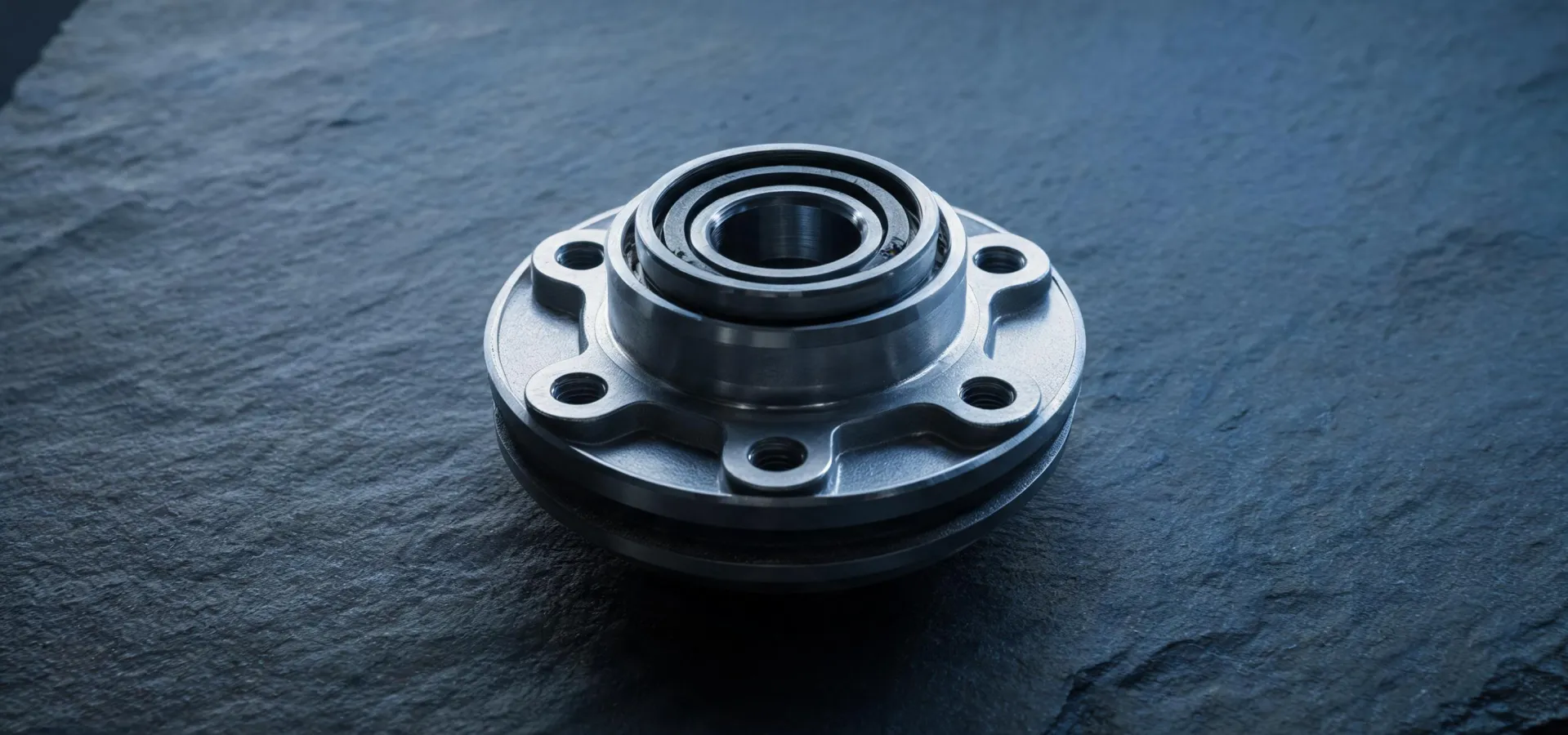
Independent China procurement desk
Turn OE references, flange measurements and ABS interfaces into a brief that suppliers can quote on the same basis.
01 / Parts scope
Choose the assembly boundary before comparing line items.
Check the steering knuckle interface and axle position.
OE reference · pilot diameter
Browse assembly requests →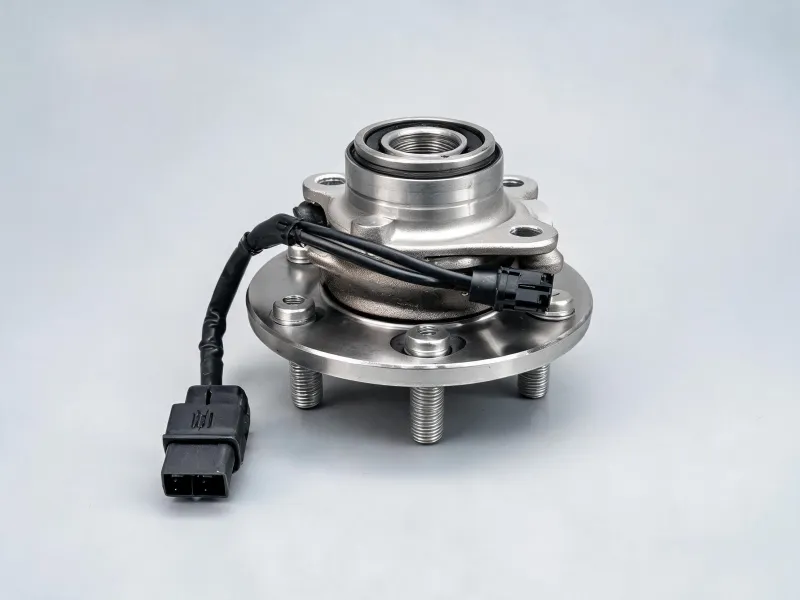
Record the encoder type, sensing face and connector keying.
ABS encoder · harness route
Review the interface matrix →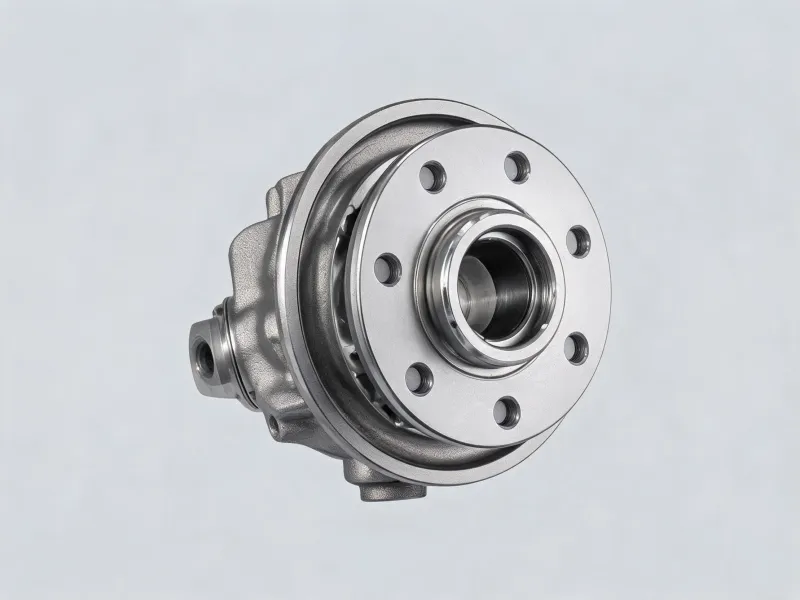
Match flange geometry, drive layout and included hardware.
Flange offset · fastener scope
Submit a rear hub brief →02 / Fitment decision
First establish whether the vehicle service procedure permits a separate bearing replacement.
| Decision point | Integrated hub unit | Serviceable bearing |
|---|---|---|
| Fitment match | Compare flange pilot, bolt pattern, mounting depth and the sensor interface. | Compare bore, outside diameter, width, seal lip orientation and retention. |
| Installation | Confirm mounting hardware and axle fastener procedure against the vehicle instructions. | Confirm press support and bearing preload or endplay procedure for that design. |
| Evidence | Request a dimensioned drawing and verify the ABS encoder against the buyer reference. | Request the bearing drawing and verify the contents of any seal or circlip kit. |
For example, if two candidate assemblies share a 5 × 114.3 mm wheel pattern, compare their pilot and mounting face measurements separately. The bolt pattern alone cannot settle the fitment question.
03 / Work sequence
Record OE cross reference, axle, vehicle, quantity and target market. Flag unresolved variants before asking for prices.
Align part revision, kit contents, inspection costs, MOQ and named Incoterm place on each quote.
Agree sample checks for flange dimensions, radial and lateral runout, encoder type and packing markings.
Reconcile carton count, line-item labels and packing list with the selected supplier and freight contacts.
04 / Buyer workflows
Scroll to explore buyer workflows.
Map catalogue variants to a single revision-controlled quote.
Confirm installation scope before selecting a hub or kit.
Separate axle positions and chassis configurations.
Set drawing, sample and inspection release points.
Define packing marks, quantities and document ownership.
Keep alternate OE references traceable to their source.
05 / Document ownership
Match the drawing number and revision to the quoted SKU.
Record the issuer, site, validity and listed activities for any system certificate.
Link each measured flange, bore and runout result to the inspected sample.
Agree the sampling plan, critical characteristics and exception handling before inspection.
Approve the platform, axle and encoder mapping against a reference the buyer controls.
Approve the SKU label, box quantity and protection of the encoder face.
06 / Before submitting
Yes. Add the model year, axle position and drive layout. Where a catalogue lists supersessions, keep the original number and the replacement reference together so the supplier can identify the quoted revision.
A shared flange is one check. Compare mounting depth, the spline count where applicable, encoder orientation and connector keying before treating the parts as interchangeable.
Use the same part boundary, sample status, packing quantity and named Incoterm place. Ask suppliers to state SKU-specific MOQ and lead time against the reviewed revision.
A single source keeps the drawing, sample and packaging process together. Multiple sources can widen the range of OE references and reduce reliance on one supplier, while requiring separate sample approval and revision tracking for each source.
IATF 16949 and ISO 9001 describe management system scope. Review the issuing body, certificate site and dates. A separate product report needs a traceable model, method, sample and market scope.
Include the OE or cross reference, vehicle and axle, quantity, target market and destination port. Mark any open fitment questions in the brief.